You’ve likely read that for every $1 spent on email marketing, you can make $44 in revenue.
But you’re not the only marketer who knows about this.
Since every e-tailer is aware of email marketing’s high ROI, your prospects’ inboxes are full of the same promotional emails.
With so many overcrowded inboxes, you need to stand out to get your emails opened and clicked.
Writing high-converting promotional emails is the key to converting subscribers into customers, and increasing your revenue day after day.
In this post, you’ll learn:
- How to write promotional emails without sounding too salesy;
- How to convert seasonal shoppers with a compelling offer (without discounts or free shipping);
- How to convert your email list by making them feel like insiders;
- And more.
In this comprehensive guide, you'll get a step-by-step framework for writing high-converting promotional emails, plus 6 ready-to-use templates and 7 real examples from top e-commerce brands to inspire your next campaign.
Promotional Email Examples 101
What Is a Promotional Email?
A promotional email is a type of email that businesses can use to promote their products and services. Unlike transactional emails that inform customers about their order or account information, promotional emails typically serve the purpose of converting subscribers into customers, and customers into brand advocates.
Promotional emails can take many forms, such as weekly newsletters, sales promotion emails, and customer retention emails, among others.
In a SaleCycle study, over 50 percent of respondents said that they buy products from marketing emails once a month. With well-written promotional emails, it doesn’t take much to convince prospects to buy from you again and again.
Writing high-converting promotional emails is the key to increasing your email conversions, and exceptional e-commerce brands know this well. Let’s see how you can achieve similar results with one promotional email type at a time.
How to Write a High-Converting Promotional Email in 2026
Writing promotional emails that convert requires a strategic approach. Here's my proven framework top e-commerce brands use.
Step 1: Define Your Goal and Know Your Audience
Before writing, answer: What action do you want recipients to take? And who are you talking to?
Common goals: Drive sales, clear inventory, re-engage customers, launch new products, generate registrations
Segment by: Purchase history, engagement level, product interests, customer value
Why it matters: A sale email to past buyers needs a different angle than a welcome offer to new subscribers.
Step 2: Write Subject Lines That Get Opened
Proven formulas:
- Scarcity: "24 hours left: 40% off sitewide"
- Curiosity: "We've never done this before (until now)"
- Value: "50% off best-selling winter coats"
- Personal: "Sarah, your VIP early access starts now"
Avoid: ALL CAPS, excessive punctuation, spam words, misleading urgency
Step 3: Hook Them Immediately
Your first sentence determines whether they keep reading.
Strong openers:
- "You're about to save 40% on everything you've been eyeing."
- "This offer expires in 24 hours."
- "Here's the deal: Buy two, get one free."
Skip: Generic greetings, apologizing for emailing, long intros
Step 4: Structure for Easy Scanning
Most people scan before reading. Use this structure:
- Hero section: Headline + image + CTA
- Value prop: Why this matters (3-5 sentences)
- Offer details: Discount, what's included, deadline
- Featured products: 3-6 items with prices
- Urgency reminder: Countdown or deadline
- Final CTA: Repeat the offer
Format with short paragraphs, bullet points, bold key phrases, and white space.
Step 5: Write Benefit-Focused Copy
Focus on outcomes, not features:
- Bad: "Made with 100% organic cotton"
- Good: "Sleep better in breathable, chemical-free fabric"
Use specific numbers:
- Bad: "Big savings"
- Good: "Save $45 on this hoodie"
Address objections: "Free returns within 60 days" or "Ships today if ordered by 3pm"
Power words: Now, free, limited, exclusive, save, ending, claim
The "because" trick: "Shop now because these prices won't last."
Step 6: Design for Mobile (60% of Opens)
- Single-column layout
- Buttons at least 44x44 pixels
- Font size 14px+ for body, 22px+ for headlines
- Fast-loading images
- Test on actual devices
The 3-second rule: Recipients should understand your offer within 3 seconds on mobile.
Step 7: Create Clear Calls-to-Action
Use action-oriented language:
- Bad: "Click here" or "Learn more"
- Good: "Shop the sale" or "Claim my 40% off"
Best practices:
- Use first-person ("Get MY discount" beats "Get YOUR discount")
- Contrasting button colors
- Include CTAs at top, middle, and bottom
- Make all CTAs identical
- One primary action per email
Step 8: Add Authentic Urgency
Legitimate urgency tactics:
- Time-based: "Sale ends Sunday at midnight"
- Quantity-based: "Only 23 left in stock"
- Seasonal: "Last chance before holiday shipping"
- Early access: "24 hours before public sale"
Never use fake countdown timers, false "last chance" claims, or invented scarcity.
Step 9: Include Social Proof
Proven social proof elements:
- Ratings: "Rated 4.9/5 by 5,000+ customers"
- Popularity: "Bestseller" or "#1 in category"
- Reviews: Brief testimonial quotes
- Press: "As featured in Vogue"
- Trust signals: "100,000+ happy customers"
Place near CTA buttons and with product images.
Step 10: Follow a Sequence (Not Just One Email)
Plan 3-4 emails for major promotions:
- Email 1 (Day 1): Announce the promotion
- Email 2 (Day 3-4): Remind with new angle
- Email 3 (Day 5-6): Create urgency
- Email 4 (Final day): Last call
Don't email people who already converted. Result: 3-5x more conversions than single emails.
1. Limited-Time Offers
Nobody wants to miss out on a good opportunity.
By driving a sense of urgency and triggering fear of missing out (FOMO), limited-time offers nudge consumers to make a quick decision about a potential purchase.
While time-sensitive offers work well-converting on-the-fence prospects, you need to ensure that your campaigns reach as many prospects as possible within a limited time. Combined with website popups, email marketing is the best way to achieve that.
Take a look at this subject line sent by Tarte:
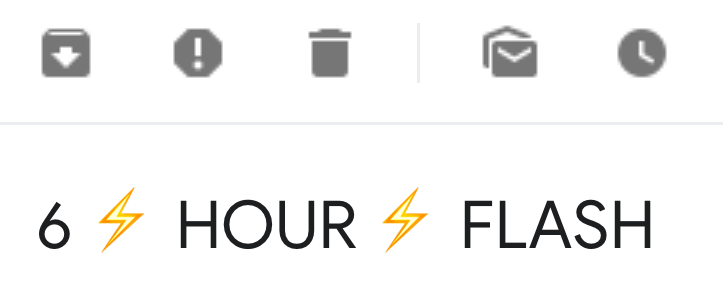
Tarte cleverly uses the word “flash” that already implies urgency, and combines it with the use of emojis to make the subject line stand out.
The use of numbers also helps this email grab attention, in addition to proving that the offer has a strict time limitation.
Using numbers, emojis, and persuasive words, Tarte implies urgency by all means and make you open this email:
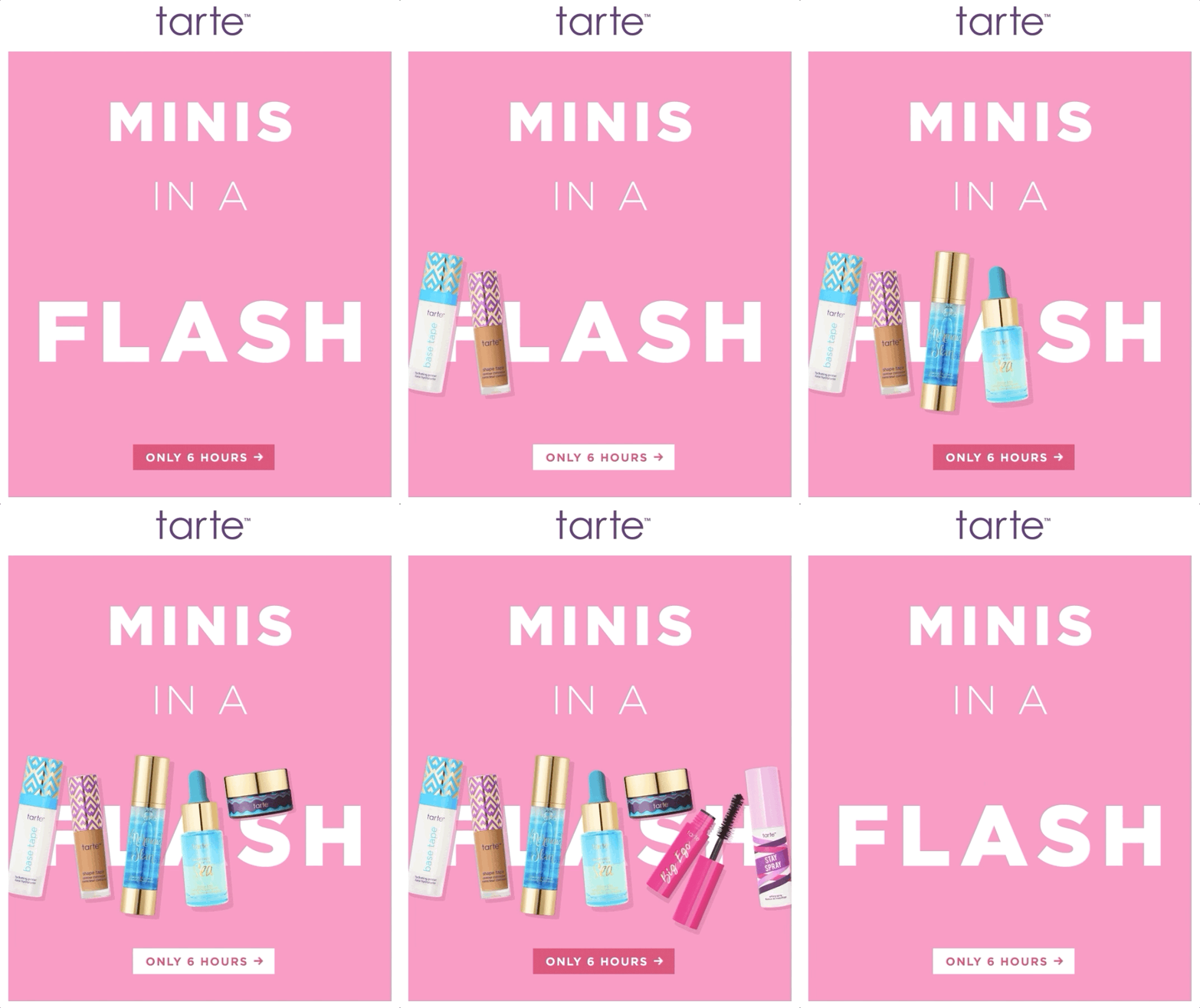
Using a GIF in the email, Tarte conveys a sense of urgency in the body of the email, too.
In this promotional email, the company announces its flash sale on a specific product category and limits it by only six hours.
Many e-commerce brands run flash sales that typically last for a day or a whole weekend. While it works for many, a weekend-long sale doesn’t always trigger immediate action.
(After all, the more time we have to complete a task, the more likely we are to procrastinate.)
Tarte makes a bold move by running a 6-hour-only sale, though. If your customer base isn’t as large as Tarte’s or they’re in different time zones, consider giving them more time.
While many companies associate limited-time offers with discounts, a handful of marketers know that free shipping is an equally, if not more, powerful incentive.
Check out this subject line Everlane sends:
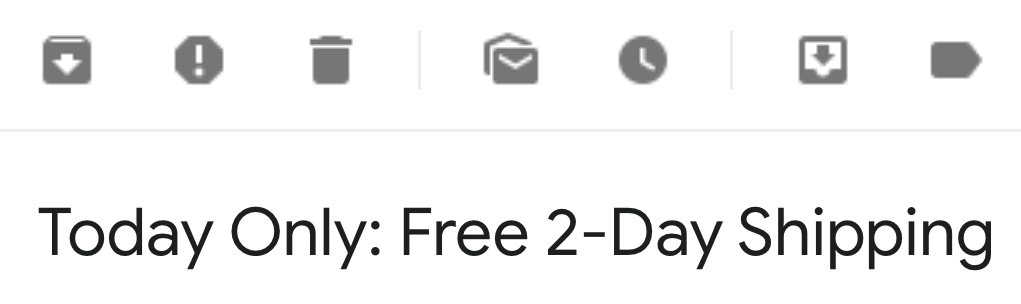
Using the power word “free” and driving urgency with a “today only” offer, Everlane makes this subject line hard-to-resist.
And this is what the email looks like:
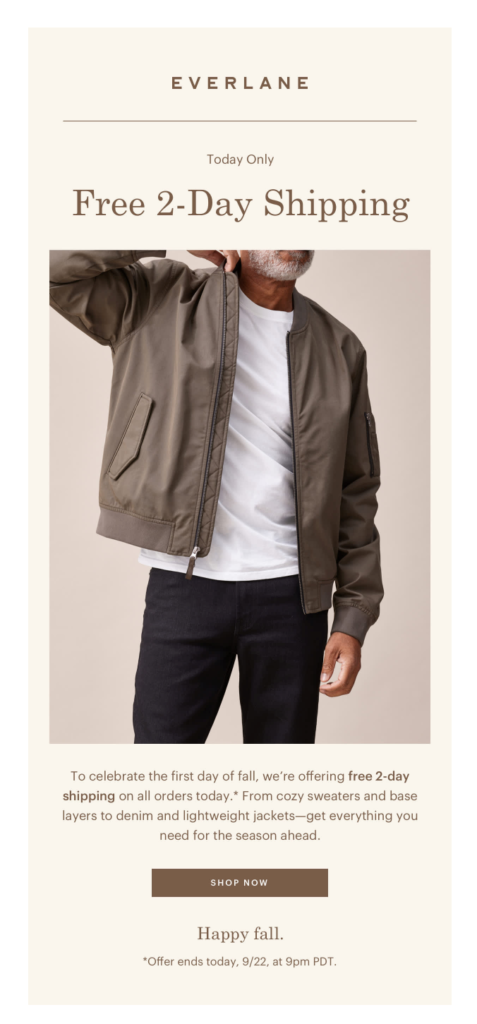
If you’re in Everlane’s email list and considering buying from the company, today is the day to do it. Wait another day, and you’ll lose this opportunity. Sounds scary, doesn’t it?
Remember to give a reason for why you’re limiting your offer by time—celebrating fall (like Everlane does,) making space for your new line, or simply as a token of your appreciation.

2. Sales Promotion Emails
If you’re running a sale and you’re excited to tell the world about it, email is likely your go-to channel.
Since your subscribers already showed an interest in your brand by signing up for your email list, promoting your upcoming or current sales is a surefire way to convert them.
Besides the offer itself, how you promote your sales matters a lot.
Banana Republic is a good example of how you can promote your sales:
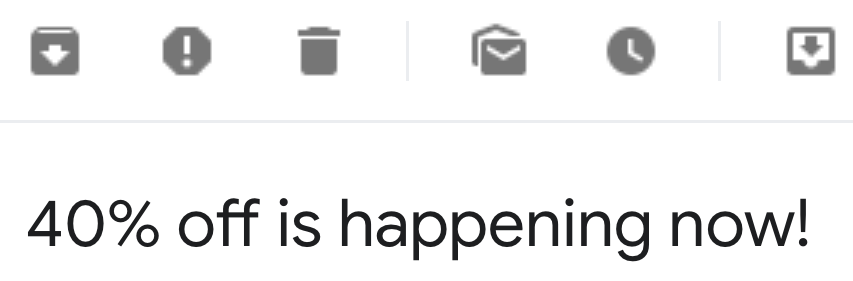
Using the exact discount amount in the subject line and highlighting that the sale is happening now, Banana Republic invites you to open this email immediately:
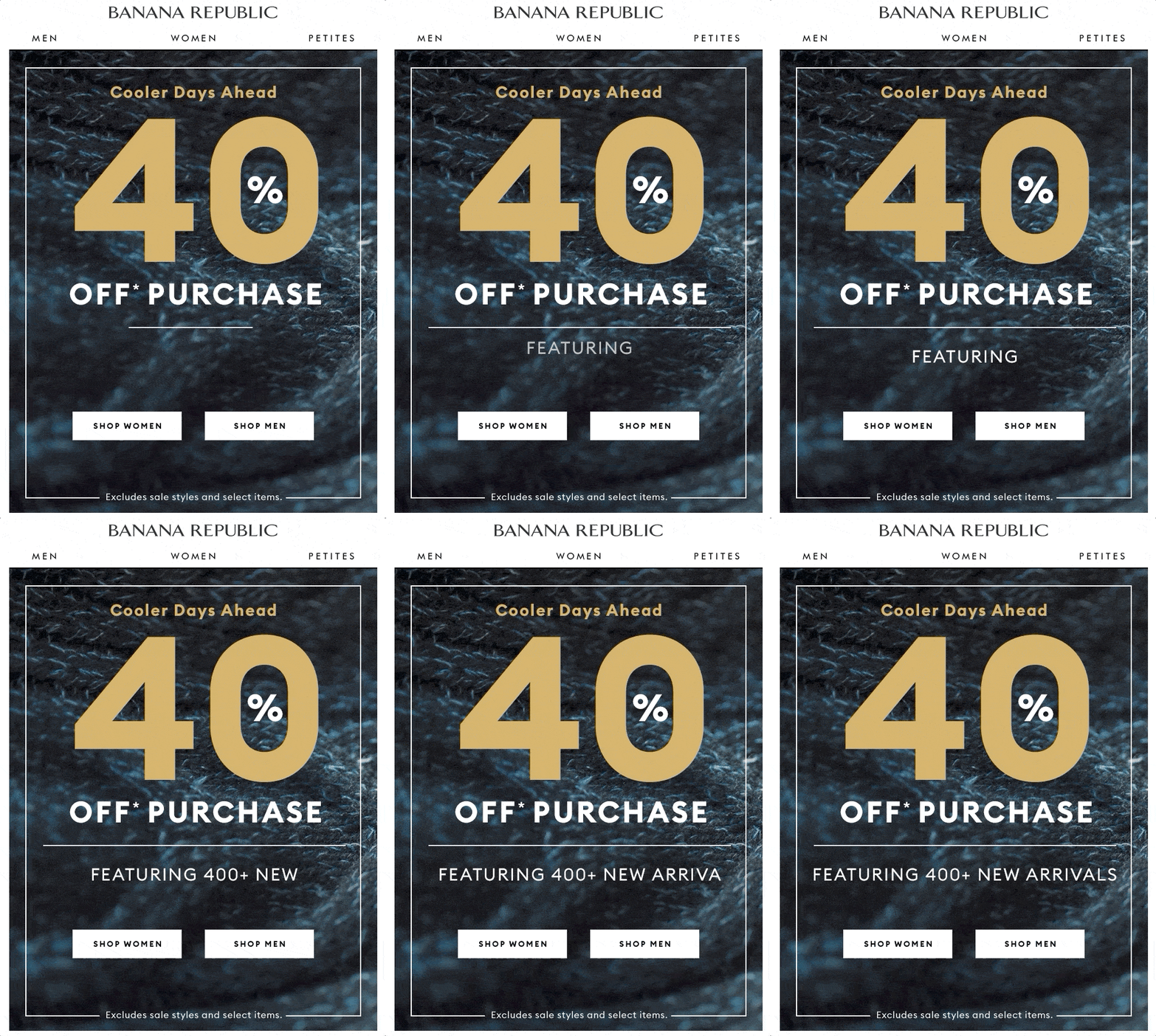
Similar to other brands, the company grabs your attention with a GIF that explains the sale.
With the pre-title “Cooler Days Ahead,” Banana Republic gives you a logical reason to shop from this sale and buy winter clothes while they’re at a lower price.
In the remainder of the email, they help you more by recommending relevant products that are suitable for the winter:
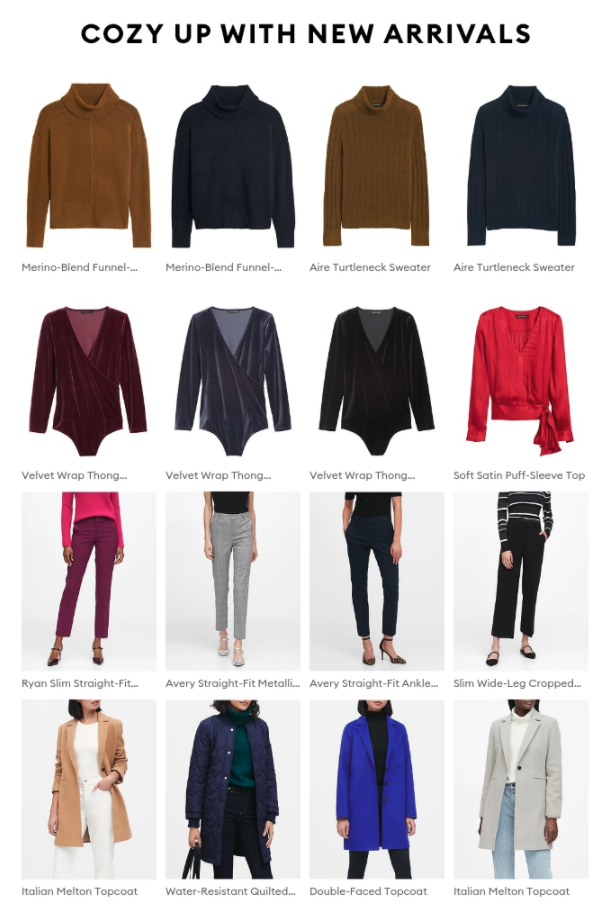
Curating some of their products in this promotional email, Banana Republic gives you a place to start browsing from, in case one of these winter clothes catches your eye.
Although you likely want to promote your sales campaigns every night and day, you know that it’ll annoy your prospects and increase your unsubscribe rate.
Kate Spade finds a good excuse to follow up on their sales without sounding overly promotional:
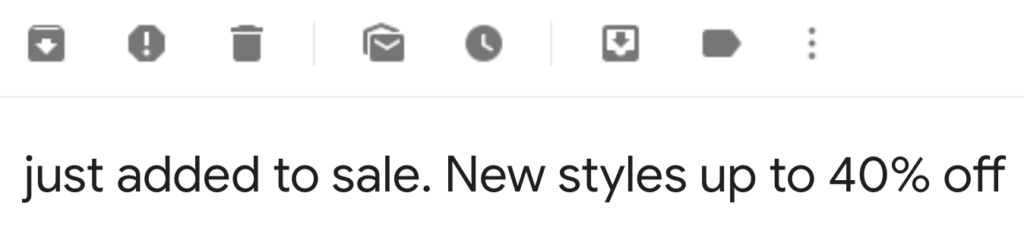
The company simply informs you that they added more products to their sale, and you might be interested in them.
When you click the email, you can even see some of the new styles added to their sale:
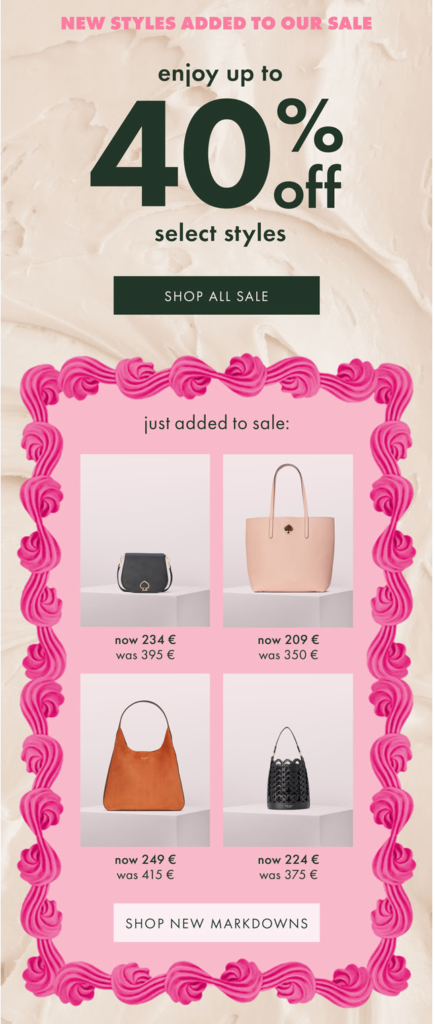
It’s a smart excuse to send another sales promotion email and convert the prospects you couldn’t with your first email.
3. Subscriber-Special Offers
Your prospects are at different stages of the buyer’s journey.
While your first-time website visitors might need more information before buying from you, a special discount code might work better on a prospect who’s already on your email list.
Treat your subscribers with the right incentives, and you’ll not only turn them into customers but also brand evangelists.
Monki knows how to start off on the right foot. Soon after joining their newsletter, they send you this email:
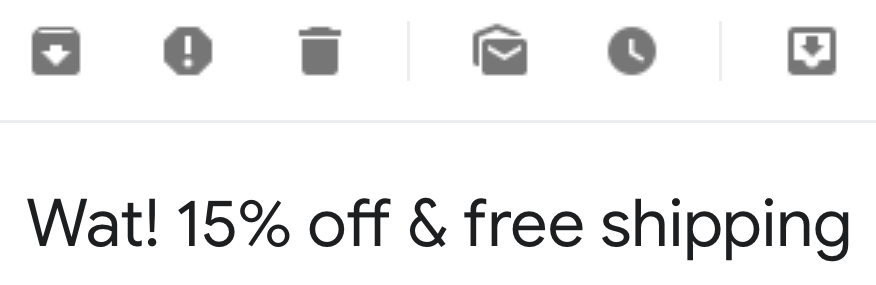
Given that you signed up for the company’s email list and you’re likely interested in its products, there’s a good chance that you’ll open this email and learn more about your exclusive offer.
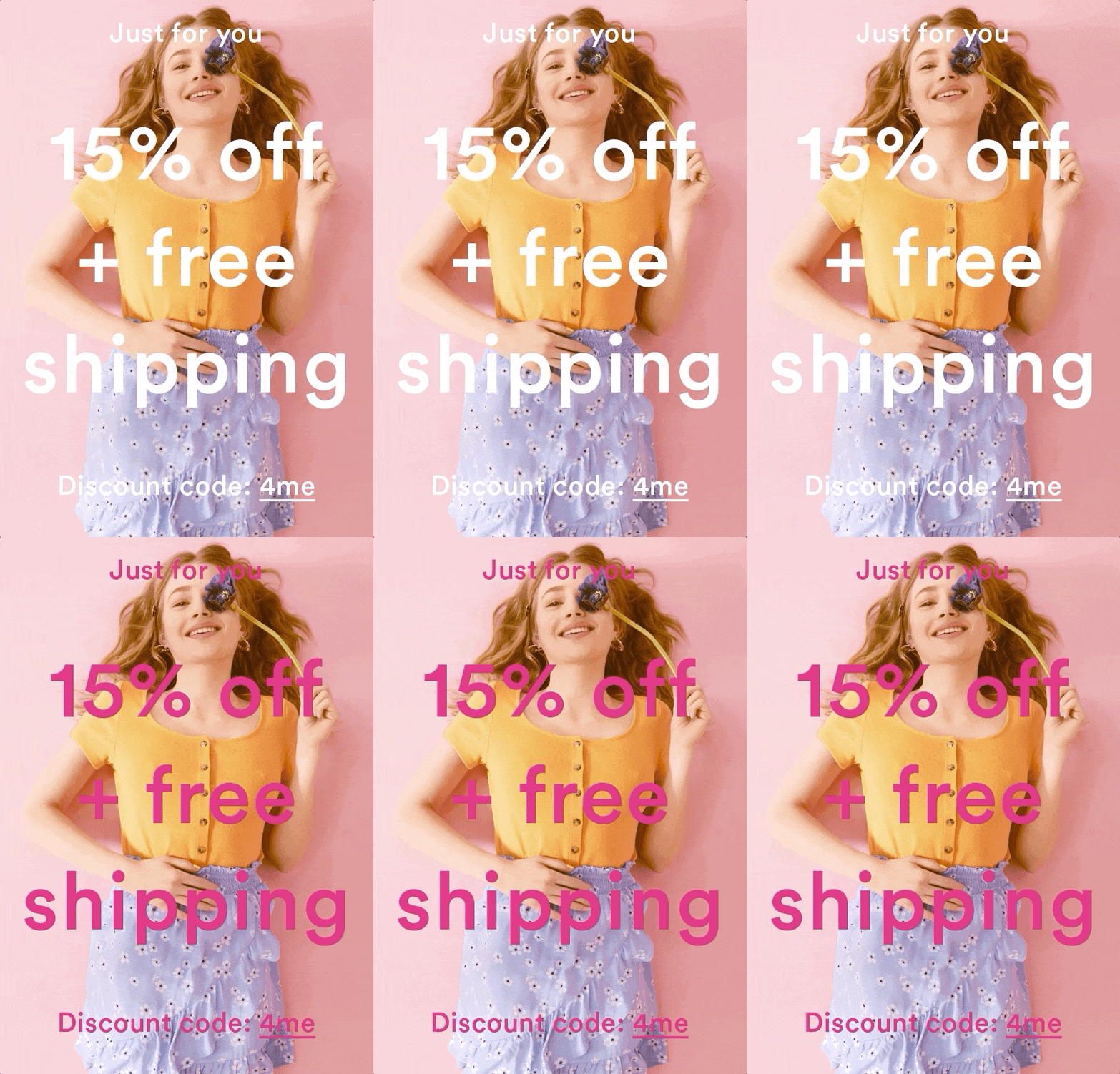
Using a simple GIF that catches the eye and email copy that focuses on the offer’s exclusivity, Monki warmly welcomes new subscribers and incentivizes them with a discount code and free shipping.
Notice the pre-title “Just for you” and the discount code that reads “for me,” and how Monki frames this email around exclusivity.
In the rest of the email, the company makes you feel like a real insider:
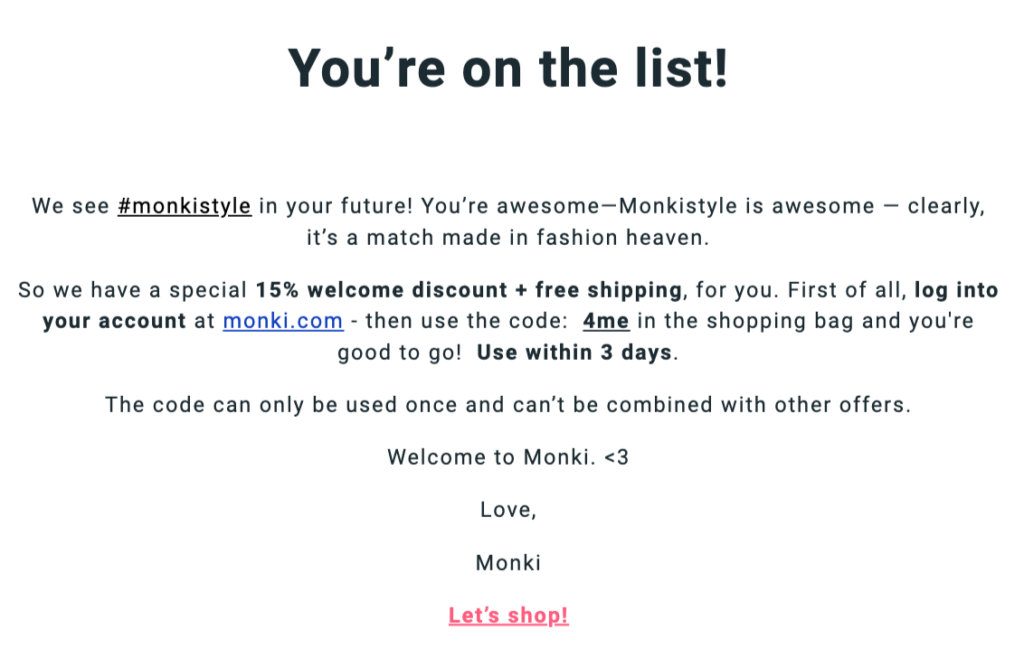
Monki subtly calls you a future customer by saying, “We see #monkistyle in your future.” And in case you’re wondering, the hyperlink on #monkistyle takes you to a page full of customer photos (read: social proof and a sense of belonging.)
While Monki targets new signups with this offer, OUAI knows how to appreciate their existing subscribers with a special deal:
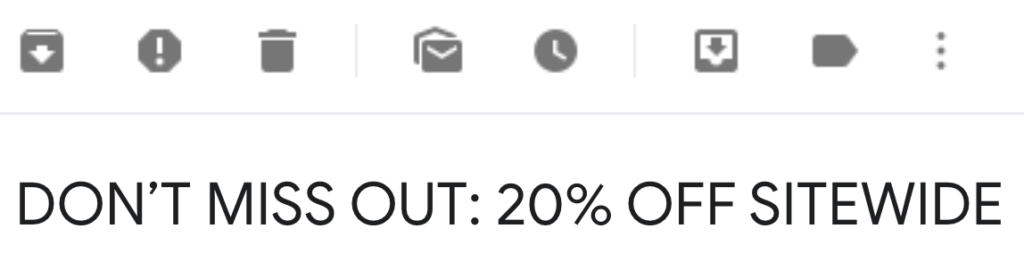
Triggering your FOMO with this subject line, OUAI leaves you almost no option but to open their promotional email:
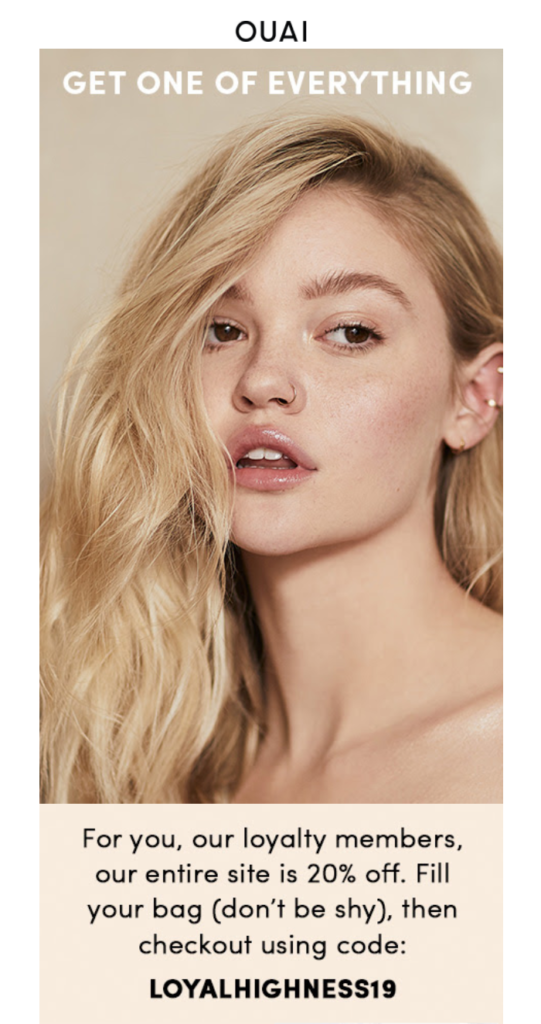
In it, the company invites its subscribers (that they call “loyalty members”) to shop using a special discount code.
While doing that, OUAI evokes your greed by using calls-to-action (CTAs), such as “Get one of everything, “Fill your bag,” and “Don’t be shy.”
Also, notice how they highlight the exclusivity of the offer by naming their discount code “loyalhighness19.”
If you don’t want to reduce the perceived value of your products, choose a different incentive, such as free shipping or free samples, to persuade your subscribers.
4. Product Launch Emails
Whether you’re preparing to release a new book, feature, or product line, product launches are exciting.
But more importantly, product launches evoke curiosity, engage your email list, and keep your brand top-of-mind.
With the right promotional emails, you can give your new product a boost from day one.
Here’s an example by Casper:
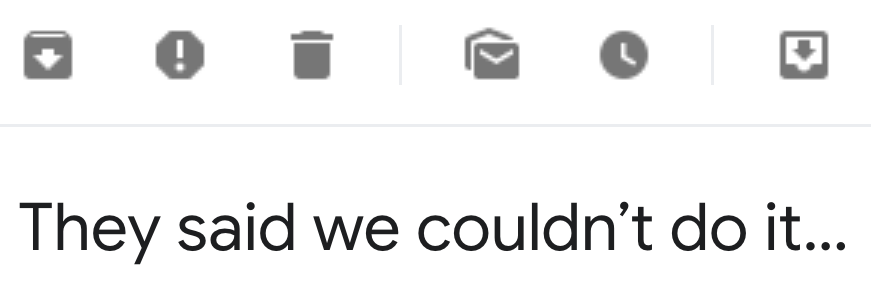
Everyone loves a good underdog story with a happy ending.
With this subject line, Casper evokes a similar feeling where they turn something unexpected around. As a result, you open the email and find out that they’re promoting a new product:
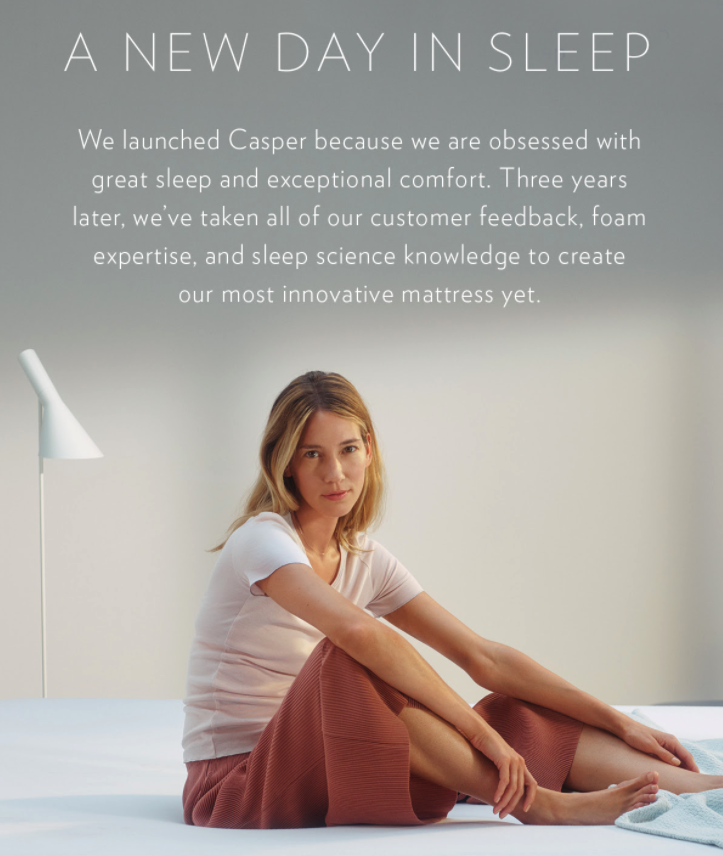
In this email, Casper positions its new mattress as a groundbreaking product. But, unlike many brands that simply explain how awesome their new products are, Casper focuses on the extra mile they go for its customers and cements itself as a market authority.
The rest of the email consists of a simple GIF and a link to the product. No long explanations. No complicated features.
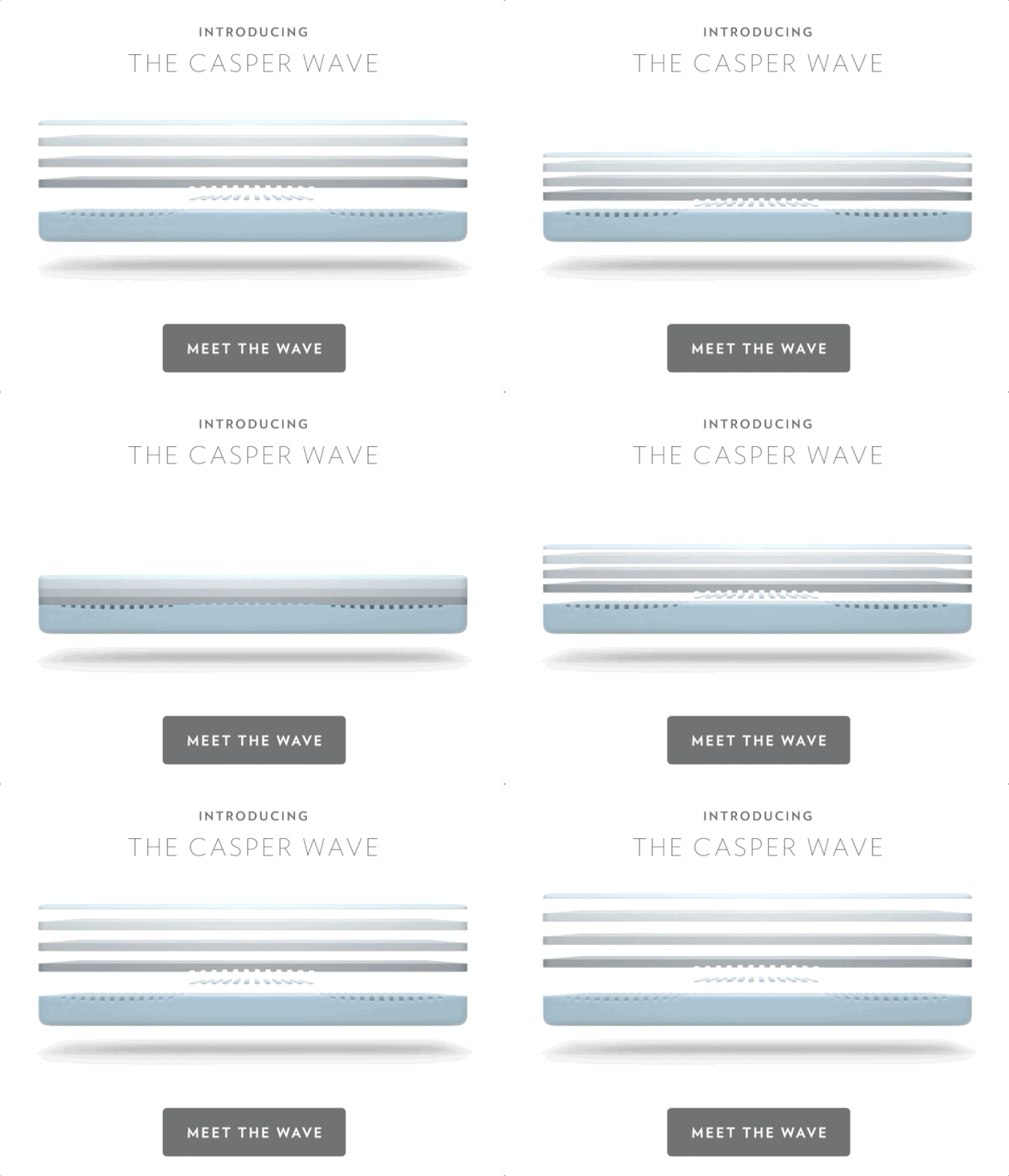
Given that not all of us launch a cutting-edge product every day sometimes announcing a new product category works just as fine.
And that’s what Away does:
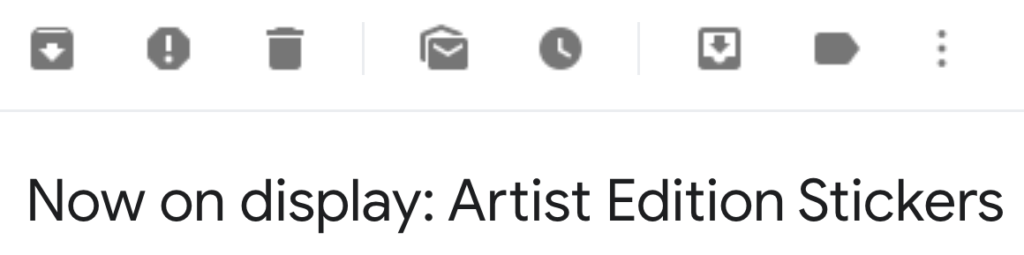
Hinting a long-awaited special edition product line, Away promotes its new stickers in this email:
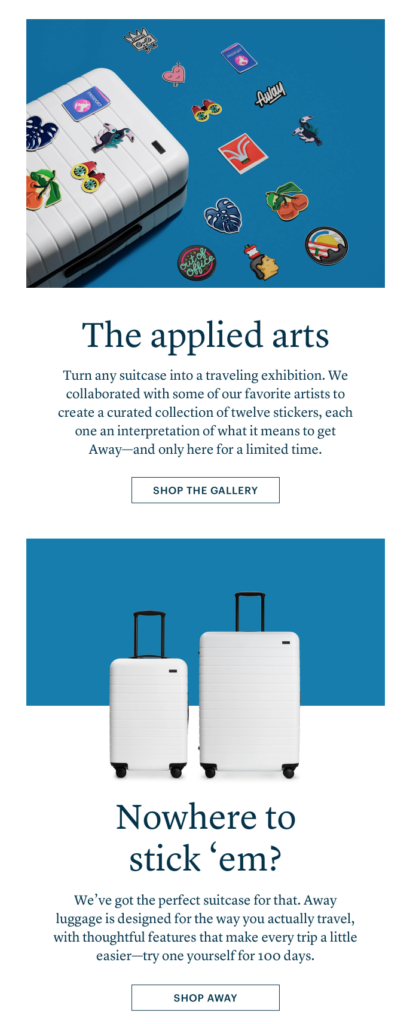
At first, it looks like any other limited-edition product launch email with a dash of exclusivity, until you read the second part of the email.
Away grabs your attention with its new, inexpensive sticker category and then upsells you to their more pricey product line with the question “Nowhere to stick ‘em?”
Notice how the company highlights its satisfaction guarantee at the end to convince you to start a trial.
Whether you’re introducing a new product line or brand category, keep things to the point and invite interested prospects back to your site for more information.
5. New Arrival Emails
While product launches don’t happen every other day, new arrivals are a good excuse for e-tailers to promote their products while engaging their email list.
Let’s take a look at this example by Chairish:
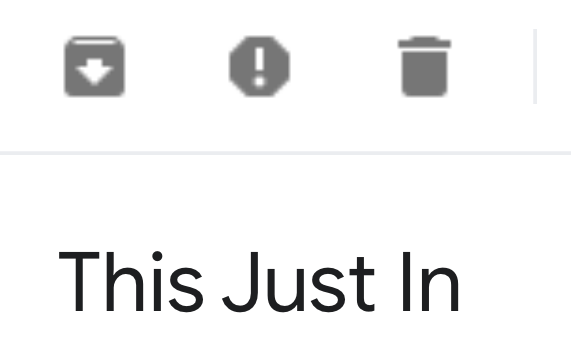
Using a humorous tone in their emails, the company sends this promotional message to its subscribers as if they’re giving an important piece of news.
When you open the email, however, you learn that it’s a new arrival email:
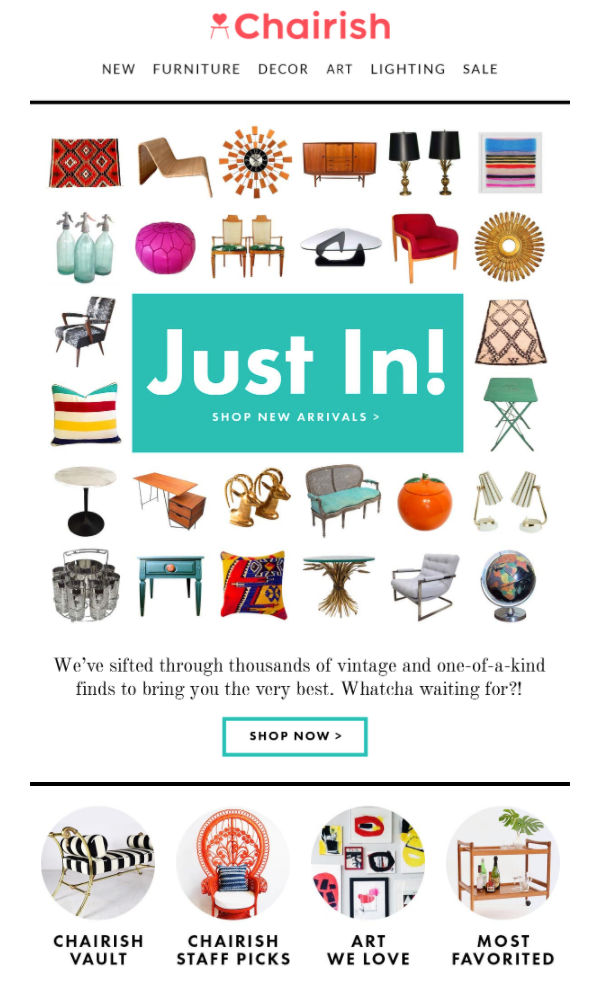
Chairish also adds a few category links to this email, so you can easily start browsing from one of them.
Miss Selfridge takes a different approach to new arrival promotion, yet stays within the same wordplay zone:

After grabbing your attention with the alert emoji, the power word “new,” and the scarcity of time, you open the email to see this:
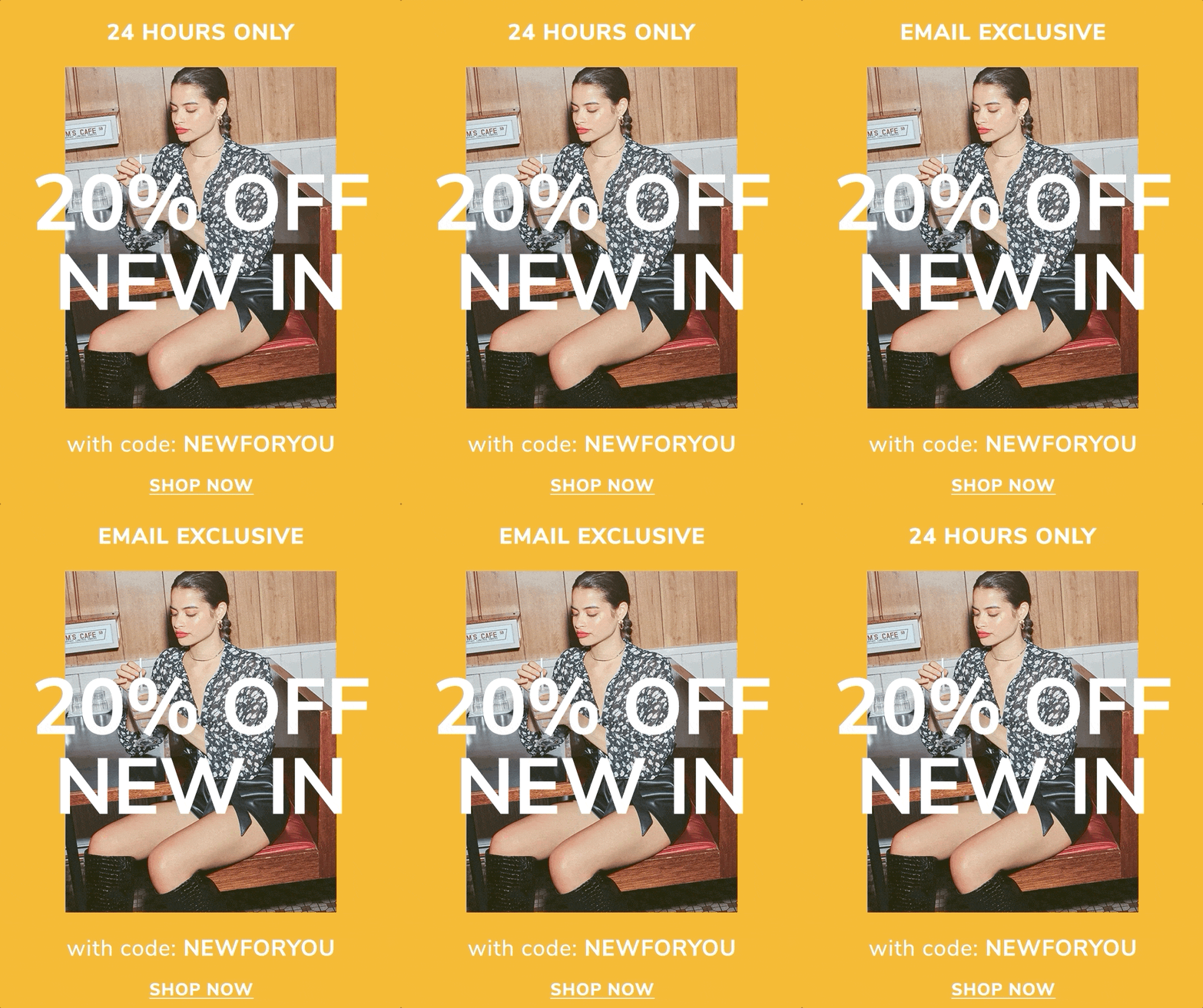
Combining urgency and exclusivity, Miss Selfridge promotes its new arrivals, and on top of that, they give subscribers 20% off its new items.
While discounting the products that just arrived carries a risk of reducing their perceived value, it surely draws attention to them simply because it’s unexpected.
6. Seasonal Campaigns
Halloween, Black Friday, Christmas, Valentine’s Day, Mother’s Day, or whatever holiday you just made up … There’s always a holiday around the corner waiting for you to take advantage of.
Seasonal marketing campaigns not only attract new prospects into your site but also help engage your existing subscribers.
Offering holiday gift guides during the peak of the holiday season, for example, is a great strategy to guide your prospects into better buying decisions, as well as a subtle way to promote your products.
Check out how Poo~Pourri does it:
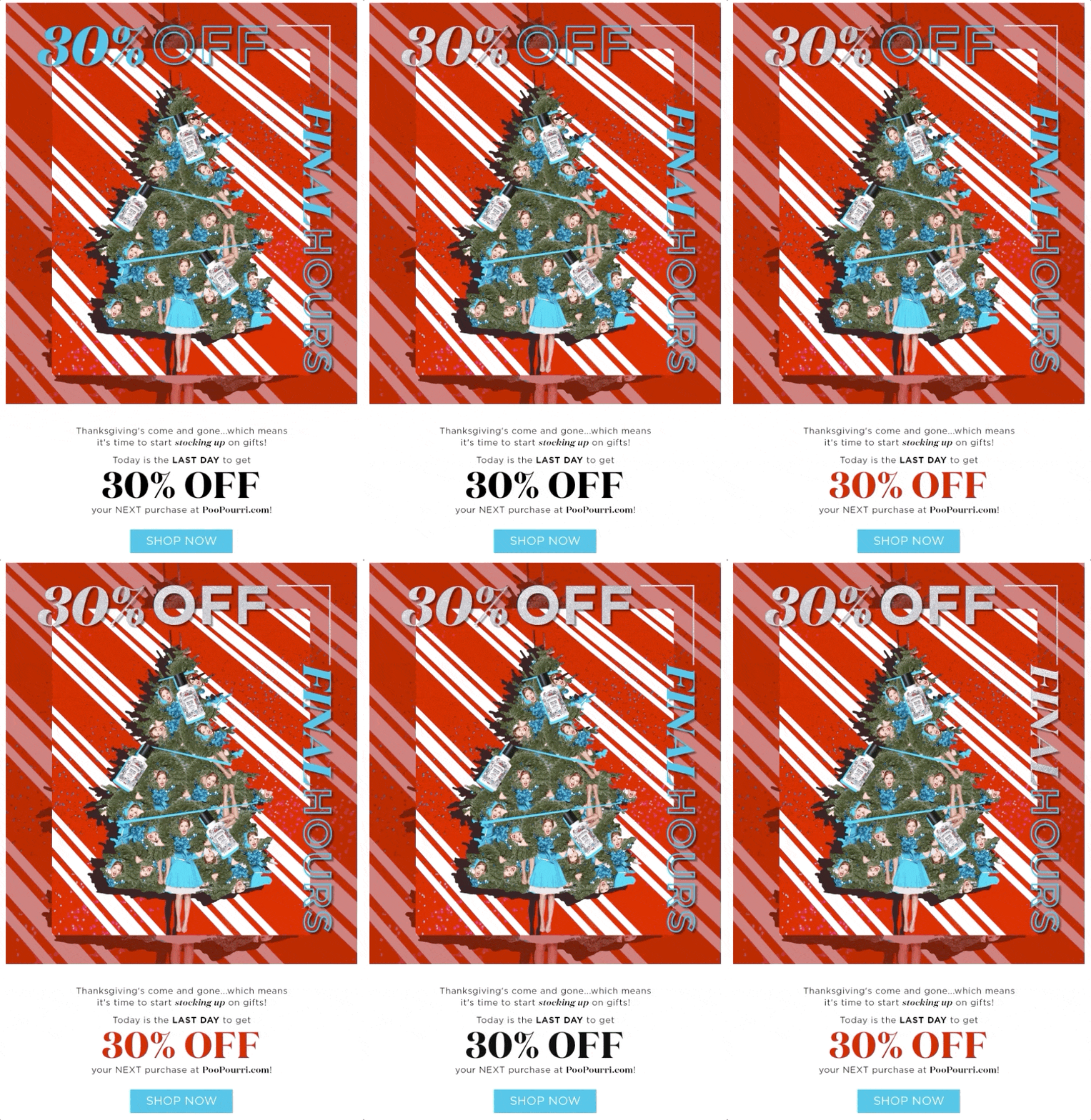
Right after Thanksgiving, the company starts targeting Christmas shoppers with a 30% discount.
While doing that, Poo~Pourri recommends products “for every pooper” in your life:
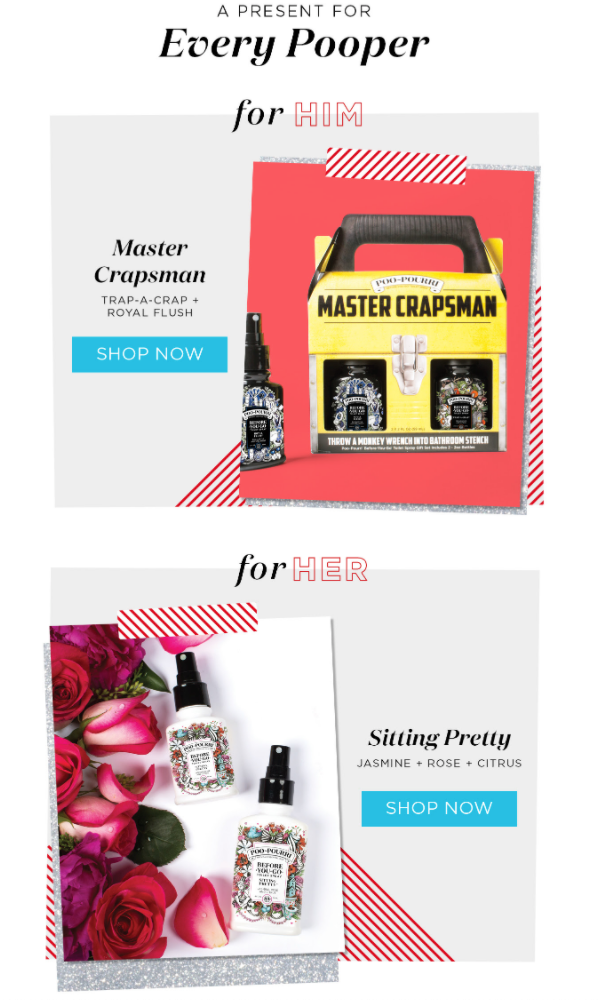
While discounts are powerful incentives for holiday shoppers, freebies work just as fine if you don’t want to lower your profit margins.
And Origins has a brilliant freebie idea that makes holiday shoppers’ lives easier:

Knowing that ‘tis the season to buy gifts for your loved ones, Origins saves you from the trouble of wrapping gifts by yourself or paying extra to get your items wrapped.
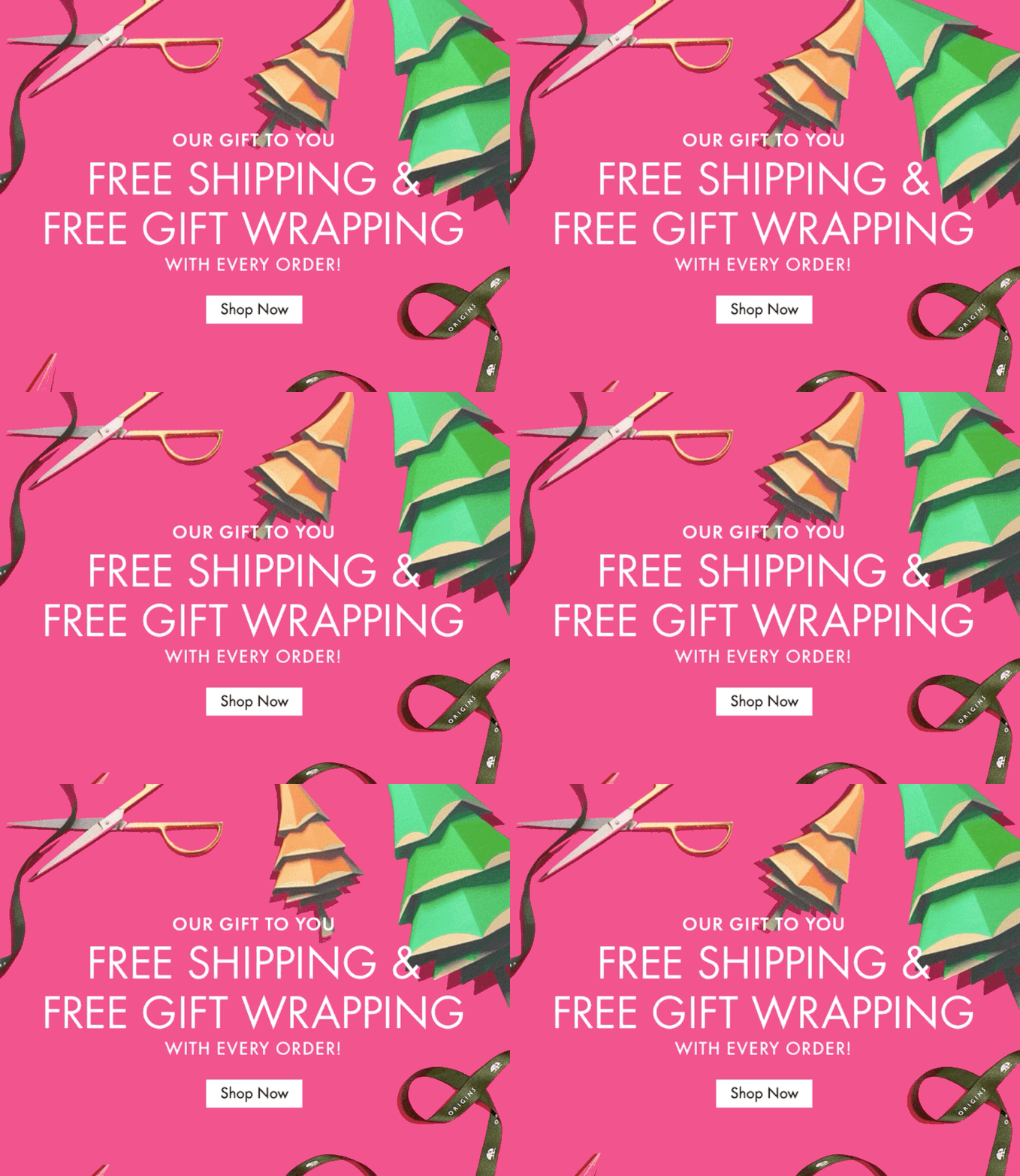
With every order, they offer you both free shipping and free gift wrapping. This is a smart alternative to discounts, especially during the holiday shopping season.
If you’re not selling jolly products or you want to keep the holiday spirit going all year round, find a day to celebrate in your niche and make it yours.
See how MeUndies owns National Relaxation Day and promotes its products with a clever disguise of celebration:
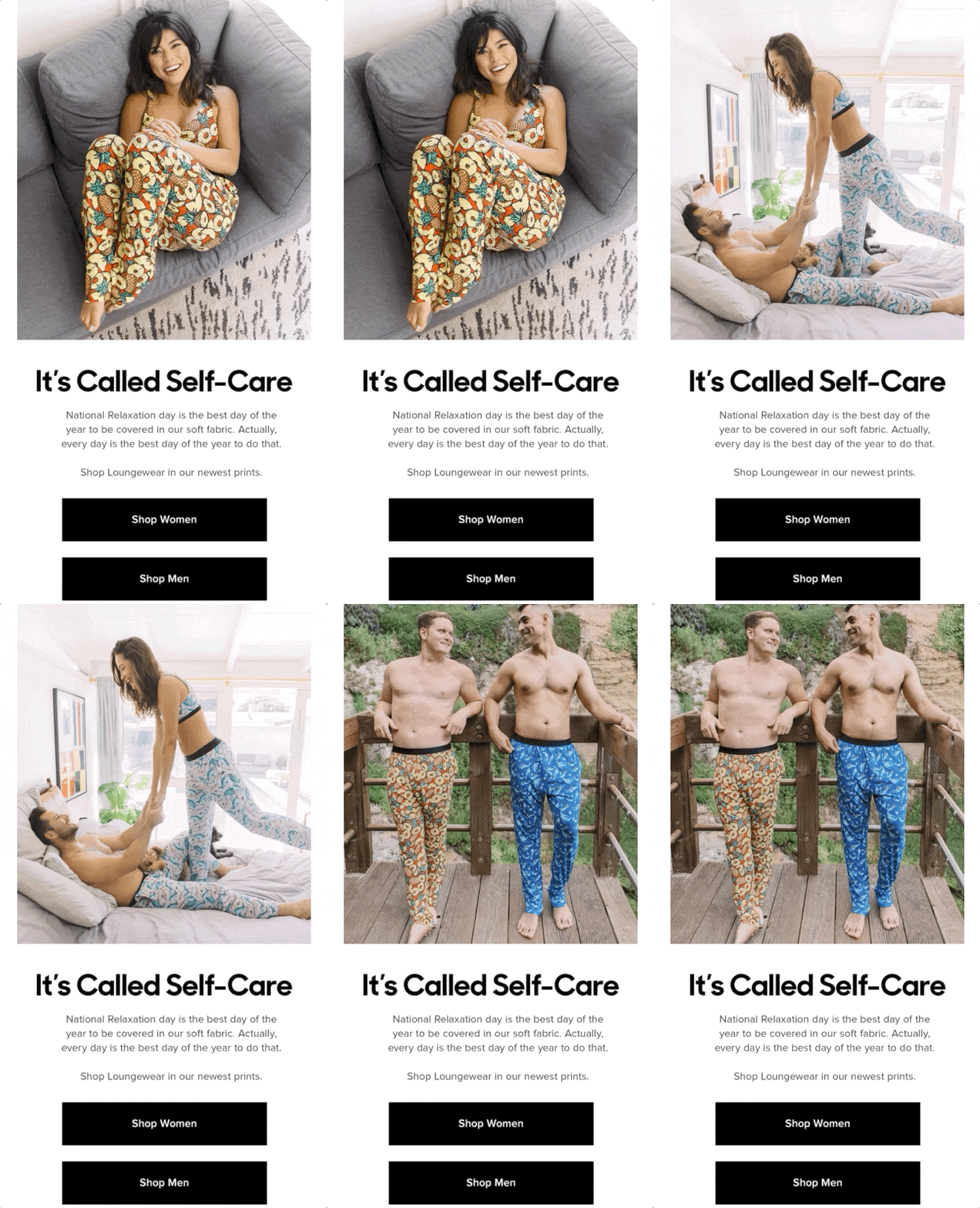
MeUndies invites you to “self-care” today and suggests you do it with their loungewear products. It’s a smart excuse to send a promotional email and helps associate the brand with positive emotions.
If you’re willing to go one step further, create your own holiday rather than depend on others.
Here’s how Crocs does it:
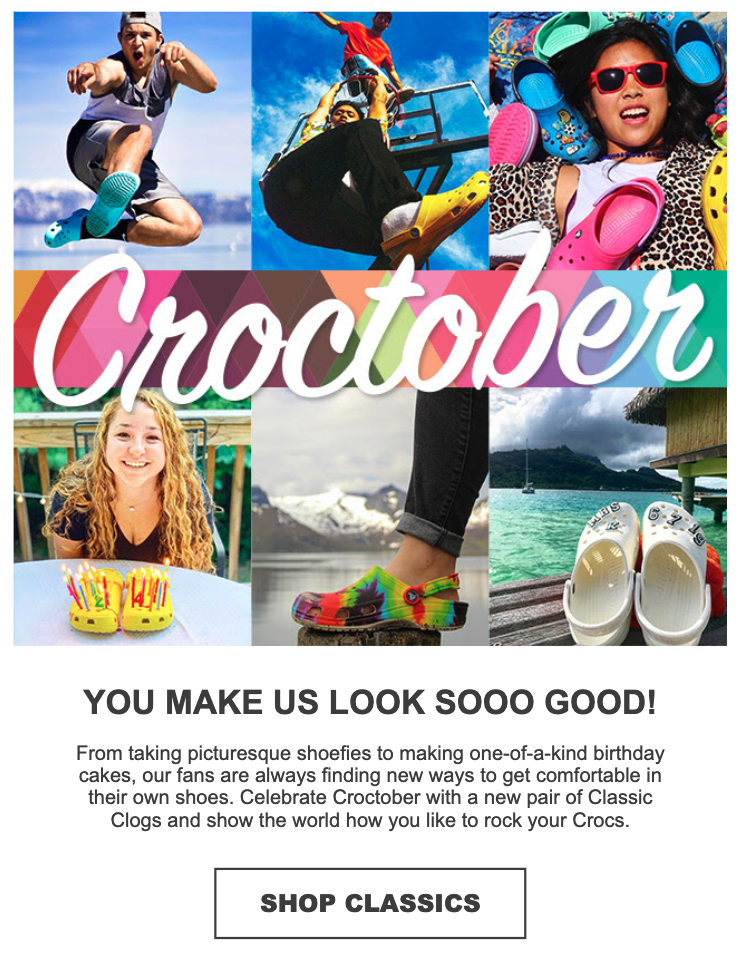
Sent with the subject line “Happy Croctober,” the company thank its customers with this made-up holiday email.
While doing that, they display different uses of their products with photos and include links to their category pages.
It’s useful for keeping your brand top-of-mind and your customers excited about using your products.
Further Reading:
7. Giveaway Emails
Giveaways work like a charm to collect leads, drive engagement, increase sales, and promote products.
How you promote your giveaways, though, is as important as the prizes you offer.
By combining website popups with emails, you can ensure that your giveaway reaches as many potential entrants as possible.
A typical giveaway promotion email looks like this one by Casper…
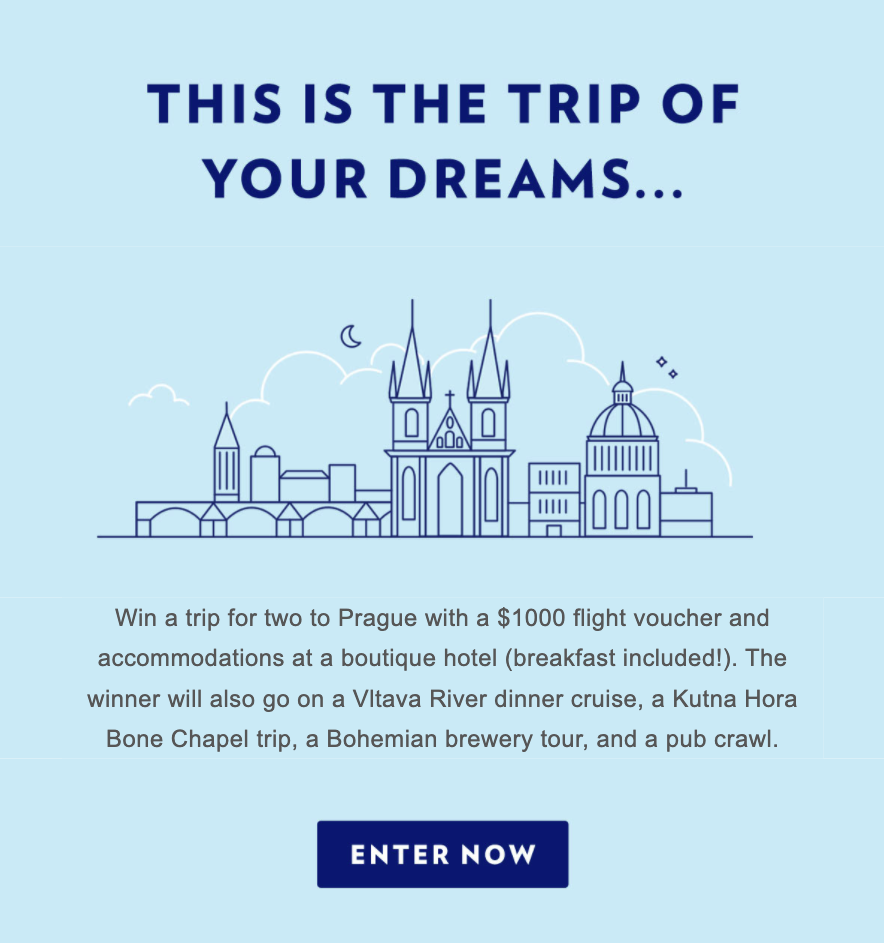
…or like the following from Esqido:
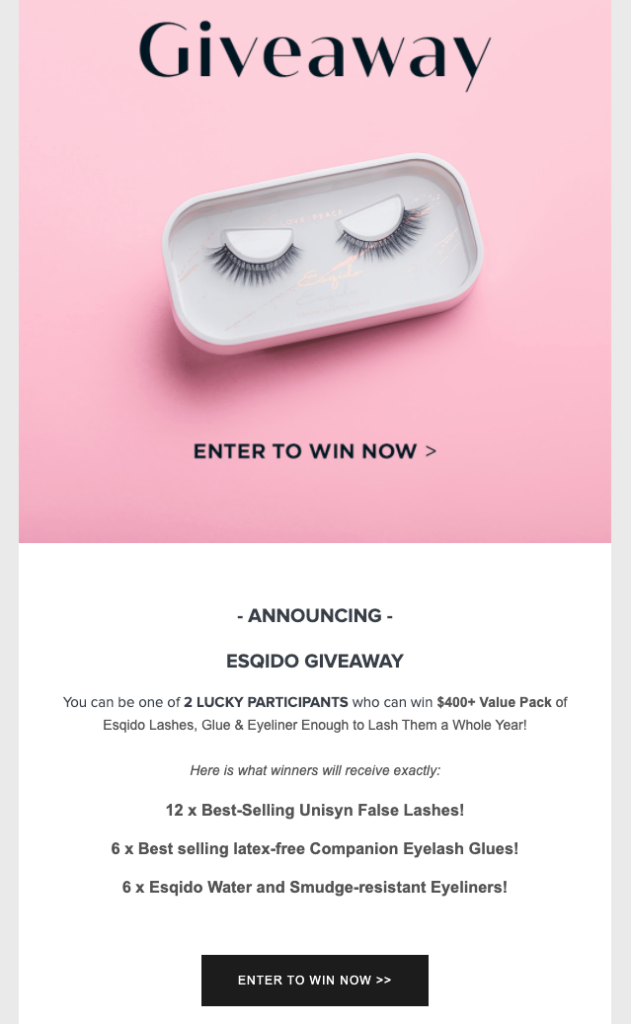
While both benefit-driven examples work fine to invite subscribers to giveaways, some brands go above and beyond to make their giveaways stand out.
A few months back, Tuft & Needle sent me this email:
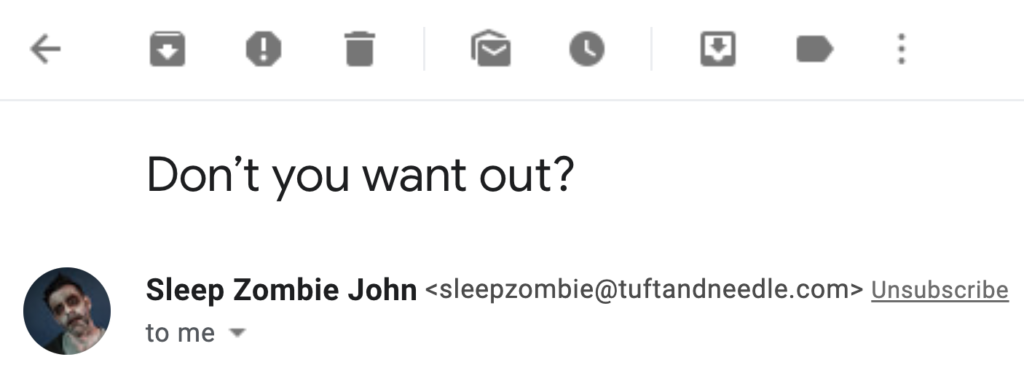
With its sender name and an intriguing question, the company immediately evoked my curiosity, and I opened the email:
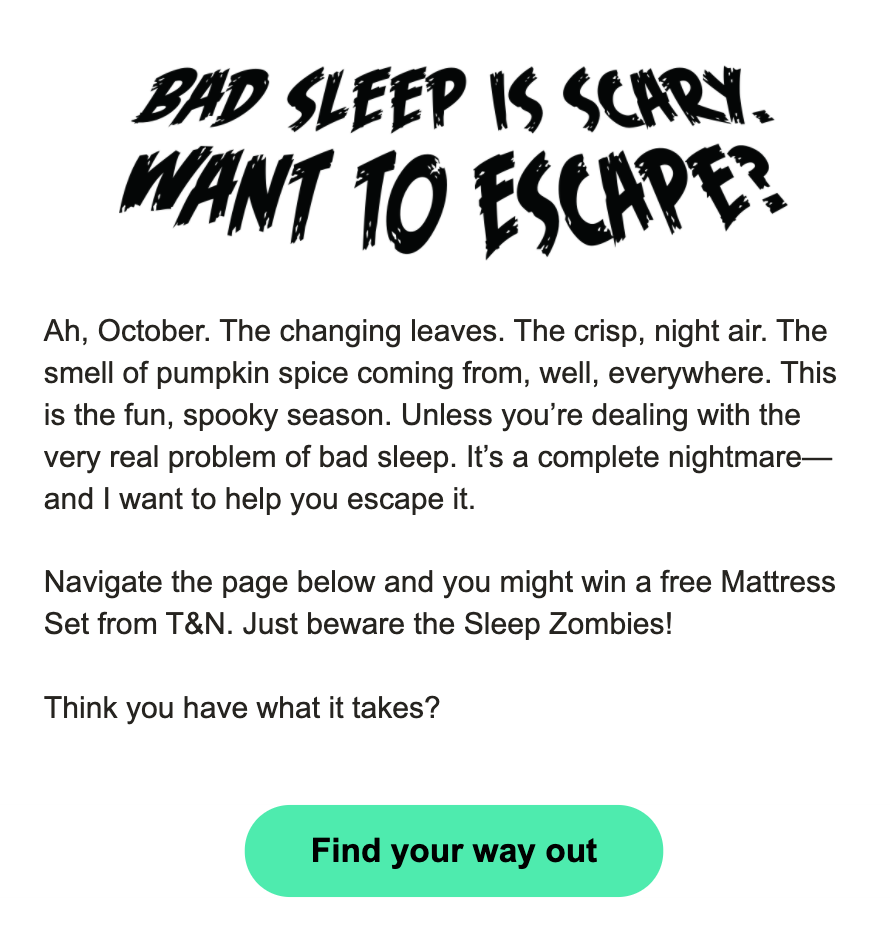
Then, I found out that what sounds like an escape game is actually a giveaway.
But let me warn you—it’s not your typical giveaway.
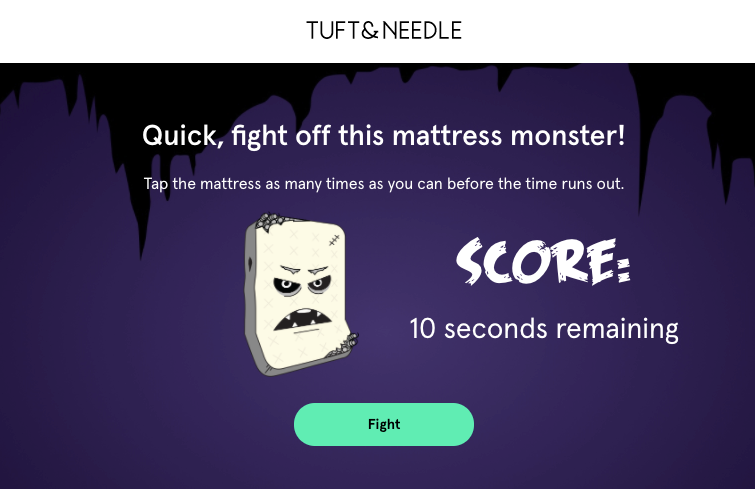
Clicking the CTA button “Find your way out” takes you to a landing page where you go through a few steps before you can join this gamified giveaway:
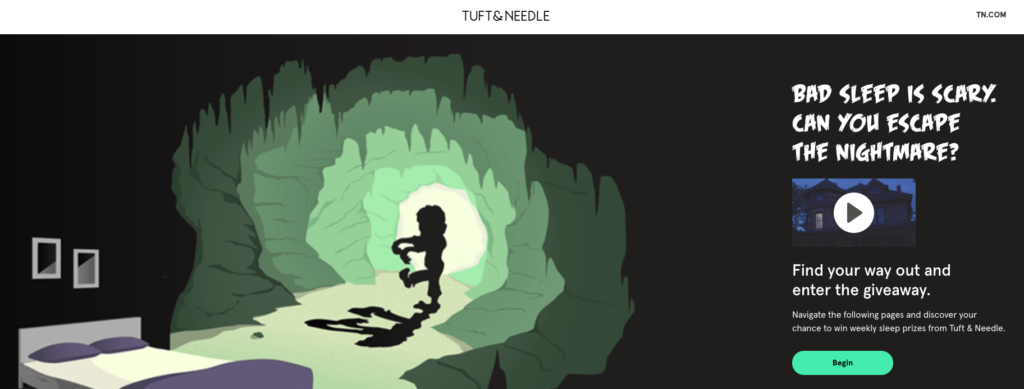
In it, you’re asked to fight off a mattress monster…
…and choose a mattress that won’t keep you awake:
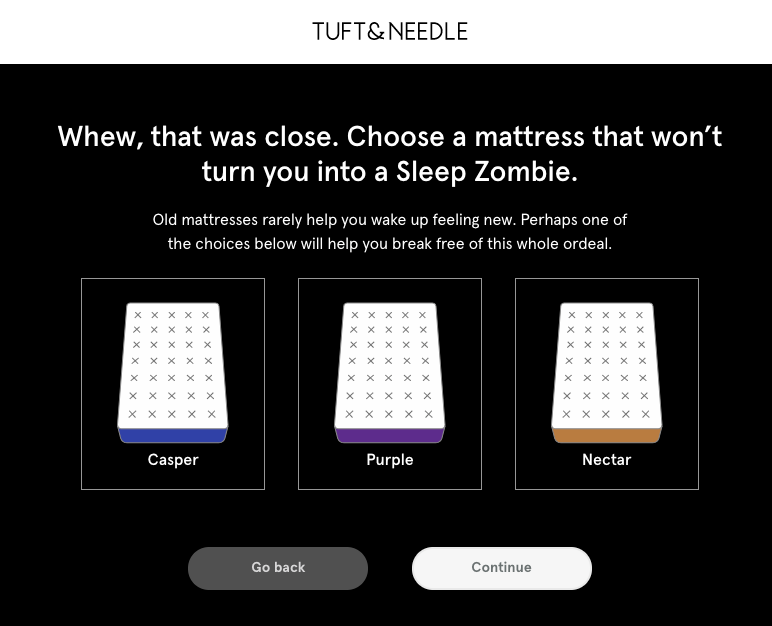
What’s more interesting is, all three mattresses above belong to Tuft & Needle’s direct competitors: Casper, Purple, and Nectar.
And guess what? Whichever one you choose, you see this screen:
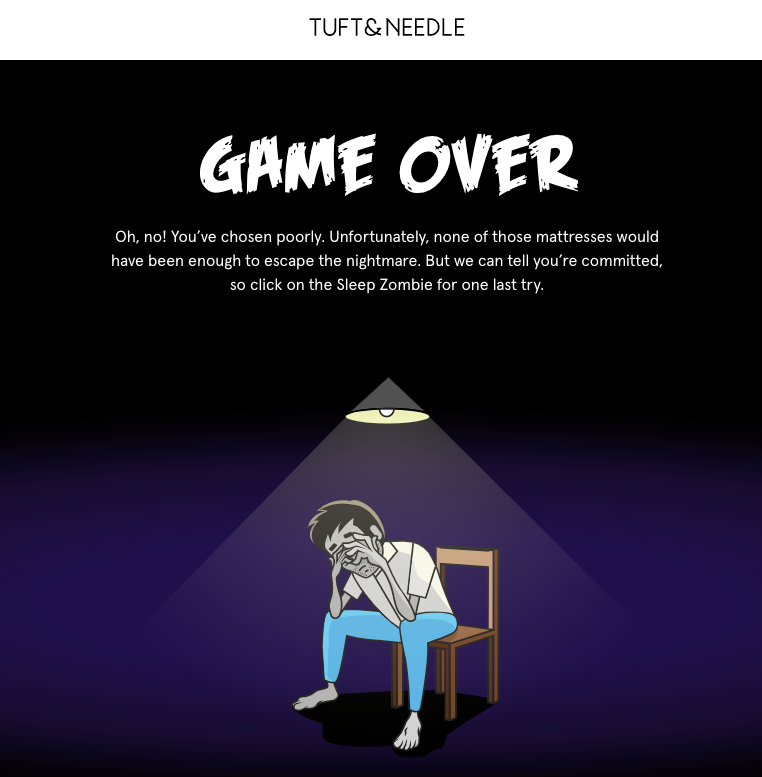
Once you use your second chance and complete the game, you enter the giveaway, and Tuft & Needle delivers on the promise that they can make mattress shopping fun.
This campaign isn’t everybody’s cup of tea. (I’m not the biggest fan of bad-mouthing competitors.) But Tuft & Needle still deserve praise for going the extra mile.
You don’t need to build a whole game to make your giveaway emails more interesting. Try adding some mystery to your giveaway emails and invite subscribers back to your website.
Conclusion
High-converting promotional emails follow a proven framework: clear goals, strategic segmentation, benefit-focused copy, mobile optimization, and authentic urgency.
Start with the fundamentals: Use the 10-step framework above to structure your next promotional email. Test subject lines, optimize for mobile, and always include social proof.
Then use the templates: The six templates in this guide give you a starting point for flash sales, product launches, win-back campaigns, and more. Customize them for your brand and audience.
Learn from the examples: The 7 promotional emails featured above show these principles in action. Notice how top brands create urgency, leverage exclusivity, and make offers irresistible.
Most importantly: Plan promotional email sequences, not just one-off sends. A 3-4 email campaign generates 3-5x more conversions than a single email.
Test everything, track your metrics (open rate, click-through rate, conversion rate), and double down on what works for your specific audience.
Ready to automate your promotional email campaigns? Drip makes it easy to segment your list, personalize at scale, and send the right message at the right time. Start your 14-day free trial.